

Communication in the Age of AI and
Instant Everything
Speed has become the name of the game in today’s communication. The faster we send or receive a message, the more we crave instant responses. But this race toward immediacy comes at a cost—important messages often get buried, lost, or overlooked amid the flood of emails, texts, and app notifications.
Have you ever missed a vital email because it landed in your spam folder—or lost track of a critical message buried beneath a stream of alerts from multiple platforms? It’s a growing challenge, especially if you’re part of numerous organizations with active chat groups or teams using various digital communication tools. The noise can become mentally exhausting and professionally risky.
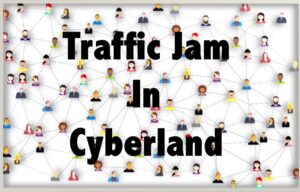
Cyberland Traffic Jams Are Real
Digital “traffic jams” can lead to missed opportunities, broken connections, and unnecessary stress. To complicate things further, the Internet goes down—whether due to storms or system failures—and we’re reminded that this tech-dependent lifestyle isn’t always reliable.
With the rise of AI-driven scams and impersonations, we now face threats beyond spam. Deepfake videos and voice clones are making it harder to distinguish between real and fake. Imagine someone impersonating you using AI—that’s not science fiction anymore; it’s today’s reality.
Are We Too Dependent on Tech?
Virtual meetings, messaging apps, and online platforms have made it easier to connect globally—but are we losing the personal touch of phone calls or face-to-face meetings? Eye contact and genuine connection have become rare in a screen-dominated world.
Opt for in-person meetings or phone calls—especially when trust and clarity are essential. Human interaction remains a powerful tool for authenticity and understanding, helping reduce miscommunication and fraud vulnerability.
Tips for Managing the Digital Deluge
- Prioritize Platforms: Choose one or two platforms for primary communication and stick to them when possible.
- Set Digital Boundaries: Designate “tech-free” zones or hours to reduce screen fatigue.
- Check Spam and Filters Regularly: Important messages can still slip through the cracks.
- Consolidate Notifications: Turn off non-essential alerts and create filters or folders for urgent items.
- Verify, Then Trust: Always confirm identities before responding to unexpected requests—even if they appear to come from someone you know.
A POINT OF ETIQUETTE: Practice Patience and Follow-Up
In our fast-paced digital world, it’s easy to expect instant replies—but not everyone sees or receives messages in real time. Practice patience and understanding when a response is delayed, especially with today’s communication overload. Rather than assuming someone is ignoring your message, give them time, and if needed, follow up respectfully. Never assume your message was seen or received—always confirm if it’s important. A thoughtful follow-up can prevent misunderstandings and keep relationships intact.
Tip:
Use an alternate method for your follow-up. For example, if you send an email, follow up with a phone call. If you leave a voicemail message, follow up with an email. Ask the individual for their preferred contact method whenever possible—it shows consideration and increases the likelihood of a timely response.
Let’s Start a Conversation
How do you handle today’s communication overload? Have you encountered any AI-related scams or missed opportunities due to digital congestion? Your insights could help others navigate these challenges more confidently.
Share your strategies and stories in the comments.
